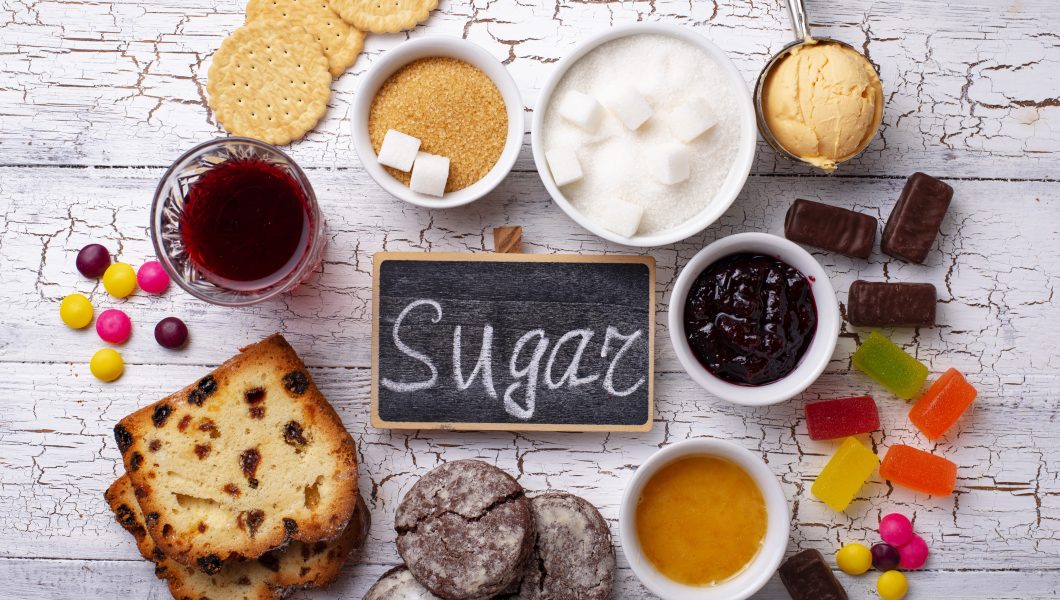
Eating well should help your body and your smile, but some healthy-looking choices are not as gentle on teeth as they seem. Hidden sugars in healthy foods can be found in flavoured yoghurt, granola, smoothies, cereal bars, sauces and dried fruit.
They may not look like sweets, yet they can still feed plaque bacteria and increase acid attacks on enamel when they are eaten or sipped too often.
This does not mean every sweet-tasting food is bad. It simply means your teeth need fewer sugar exposures during the day, better timing and a little more label checking.
Why Sugar Affects Teeth
Your mouth contains bacteria. Some of these bacteria use sugar as fuel and produce acid. That acid can soften enamel, which is the strong outer surface of your teeth.
Saliva helps to neutralise acid and repair early mineral loss, but it needs time to work. When you snack or sip sweet drinks throughout the day, your teeth get fewer quiet periods to recover.
Frequency matters. A small sweet item eaten with lunch is usually less risky than nibbling the same amount across the afternoon.
Where Hidden Sugars in Healthy Foods Can Be Found
Food packaging can sound reassuring. Words such as natural, low fat, high fibre, vegan or protein-rich may describe one part of a product, but they do not always tell you how it affects teeth.
Flavoured Yoghurt
Plain yoghurt can be part of a balanced diet. Flavoured yoghurt, fruit yoghurt and yoghurt drinks may contain added sugar to improve taste. Low-fat versions can sometimes be sweeter because sugar helps replace flavour lost when fat is reduced.
A better everyday choice is plain yoghurt with fresh berries, chopped apple or a little cinnamon.
Granola And Breakfast Cereals
Granola often sounds wholesome because it contains oats, nuts and seeds. The issue is that many versions also contain honey, syrup, chocolate pieces or sweet dried fruit.
Look at total sugars per 100g and compare similar cereals before buying. A lower sugar cereal with fresh fruit is usually a kinder option for teeth.
Smoothies And Fruit Juice
Fruit is valuable in a healthy diet, but juice and smoothies are different from whole fruit. Blending or juicing releases sugars and makes them easier to drink quickly. These drinks can also be acidic.
If you have them, keep portions small, avoid sipping slowly and have them with a meal rather than between meals.
Common Foods That Quietly Add Sugar
Some seemingly healthy foods that can damage your teeth do so because they expose enamel to sugar or acid more often than you might expect, like:
- Cereal bars: Often contain syrups, dates, fruit paste or chocolate coatings
- Dried fruit: Concentrated and sticky, so it can cling to teeth
- Sauces: Ketchup, barbecue sauce, sweet chilli sauce and some pasta sauces may contain added sugar
- Flavoured plant-based drinks: Vanilla or chocolate versions can be sweetened
- Protein snacks: Some bars are closer to confectionery than a simple snack
These foods do not need to disappear from your diet. The aim is to notice how often they appear and whether they are sticking around on your teeth.
How To Read Labels For Tooth Health
A quick label check can prevent many surprises:
- Check total sugars: Compare products per 100g, not only per serving
- Read the ingredients list: Items listed first are present in larger amounts
- Spot sugar names: Look for glucose, fructose, sucrose, dextrose, maltose, honey, syrup, agave, maple syrup and fruit juice concentrate
- Watch small portions: A small bar or yoghurt pot may look modest but still contain a high sugar load
- Be careful with health claims: No added sugar does not always mean low sugar
When several sugar names appear in one ingredient list, the product may be sweeter than it first looks.
Simple Swaps That Protect Your Smile
Small changes can make your diet more tooth-aware without making it dull.
Choose whole fruit more often than juice. Drink water between meals. Keep smoothies, dried fruit and sweet snacks with meals where possible. Swap sticky bars for nuts, cheese, oatcakes, hummus with vegetables or plain yoghurt.
For drinks, water, plain milk and unsweetened fortified plant-based milk are sensible daily choices. Tea and coffee without sugar can also fit well.
Brushing twice a day with fluoride toothpaste remains essential. Cleaning between the teeth helps remove food and plaque from places a toothbrush can miss.
When To Seek Advice
Sensitivity to sweet or cold foods, pain when biting, bleeding gums, food trapping or visible dark marks should not be ignored. These signs can have several causes, so it is best to speak with a dental professional if they continue.
Protecting Your Smile with Smarter Choices
Hidden sugars in healthy foods should not make you fear breakfast, fruit or snacks. They should encourage smarter choices. Your teeth respond to how often sugar and acid arrive, not whether the food looks healthy on the packet.
By choosing whole foods more often, checking labels and keeping sweet foods mainly with meals, you can protect your teeth while still enjoying a balanced diet. For more health guidance, visit iHealthSquare and take the next simple step towards a healthier smile.



No Comments