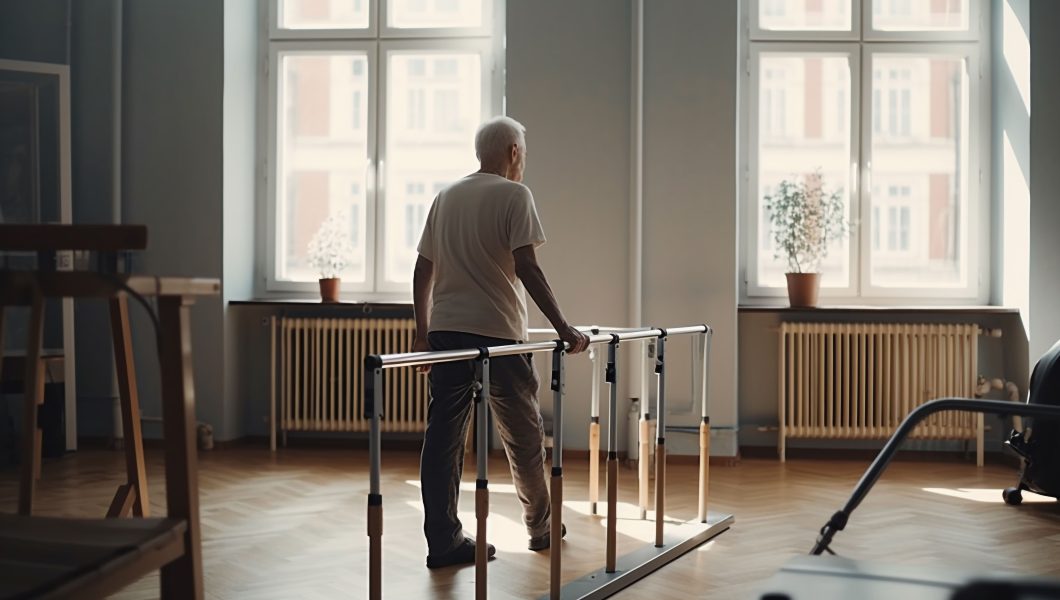
Home should feel like the safest place there is. Yet for many older people, a familiar hallway, a dim landing or a damp bathroom floor can quietly become the riskiest part of the day.
One fall can shake confidence long after the bruise fades. That worry often leads to moving less, which weakens the body further and makes another fall more likely.
Most homes need no building work to become safer, and good fall prevention at home usually starts with small, everyday changes. Simple home modifications to prevent falls can often be made in an afternoon for very little money, helping older adults stay independent in the place they know best.
Below, we look at why the risk grows with age, then move through the home room by room, including a few details that tend to get overlooked.
Why Home Modifications to Prevent Falls Matter More With Age
Falls rarely come down to one cause. Understanding what is changing makes it far easier to choose the right fixes.
Physical Changes That Affect Balance
Muscles weaken over the years, and conditions such as arthritis, stroke, Parkinson’s disease and dementia can affect balance and mobility.
Changes in eyesight or hearing also play a part, as do low blood pressure and the side effects of some medicines. Even not eating or drinking enough can leave someone feeling lightheaded.
Old Habits in a Changing Body
The body changes gradually, but the home and the habits built inside it often stay the same. Hurrying to answer the door, carrying a full laundry basket downstairs or reaching for the top shelf all feel normal after years of doing them.
Falls frequently happen during these ordinary moments rather than during anything unusual. Spotting trip hazards and rethinking a few routines is where falls prevention at home truly begins.
Clearing the Floor of Everyday Trip Hazards
Of all the simple home modifications to prevent falls, sorting out the floor costs the least. Walk through each room looking down rather than around, ideally at the pace the person normally moves.
- Clutter: Keep hallways, stairs, and main walking routes clear of shoes, bags, newspapers, and boxes.
- Trailing wires: Run cables along skirting boards or behind furniture rather than across walkways.
- Loose rugs: Rugs often carry sentimental value, so secure them firmly with non-slip underlay if removing them feels like a loss. Repair any frayed or lifting carpet too.
- Door thresholds: Raised strips between rooms catch toes easily, especially for anyone who shuffles. A small threshold ramp can smooth the step.
- Furniture used for support: Many older people steady themselves on chair backs, side tables and worktops as they move around. Check that anything leaned on regularly is heavy and stable.
- Footwear: Slippers with a back and a grippy sole are far safer than backless mules or socks on smooth floors.
- Pets: Small dogs and cats love to settle underfoot, so place pet beds and toys away from walking routes, where they would become trip hazards.
Seeing the Home Through Older Eyes
Vision changes with age in ways that are easy to miss. A few adjustments to lighting, surfaces and glasses can make the whole home easier to read.
Keeping Light Levels Even
Older eyes take longer to adjust when moving from a bright room into a dim hallway. Keeping light levels similar from room to room reduces those risky few seconds of poor vision.
Stairs and landings need bright, even lighting, with switches at both the top and bottom. Illuminated light switches are easy to find in the dark, and sensor night lights that fit into a socket can automatically light the route to the toilet.
Glare and Contrast
Highly polished floors can look wet, while strong sunlight across a hallway can briefly hide a step. Sheer curtains or blinds help soften the glare.
Busy patterned carpet on stairs makes step edges hard to judge. For people living with dementia, a dark mat on a light floor can even look like a hole and cause hesitation, so plain, contrasting surfaces are easier to read.
Glasses and Glass Furniture
Varifocal and bifocal lenses can blur the view of the ground when looking down at steps or kerbs. It is worth asking an optician whether a pair of single vision distance glasses would be safer for walking.
Keeping lenses clean and booking regular eye tests both help. Clear glass tables can also be surprisingly hard to see, so they are better swapped for something more visible.
Improving Bathroom Safety for the Elderly
Wet surfaces, hard edges and the effort of stepping over the side of a bath make this room a priority for bathroom safety for the elderly.
- Non-slip mats: Use one inside the bath or shower, with a rubber-backed mat on the floor outside.
- Grab rails: Fit grab rails by the toilet, bath and shower, fixed securely into a solid wall. Suction rails, towel rails and sinks should not be relied on to take full body weight.
- Rail colour: Rails in a shade that contrasts with the wall are much easier to spot.
- Bath and shower aids: A bath board or shower stool cuts the time spent standing on slippery surfaces.
- Raised toilet seat or frame: Either one makes sitting and standing easier on knees and hips. A seat in a contrasting colour helps anyone with poor eyesight or dementia.
- The door lock: Consider leaving the door unlocked, or fitting a lock that opens from outside, so help can get in quickly.
A warm bath can lower blood pressure for a short while. Standing up slowly afterwards and drying off while seated are simple habits that make a real difference to bathroom safety for the elderly.
Stair Safety: Handrails, Step Edges and Carrying Things
Stairs combine height, effort and concentration, so small details here matter a great deal.
Handrails and Step Edges
Good stair safety starts with sturdy handrails on both sides. Ideally, rails should continue a little beyond the top and bottom steps, as these are exactly where people tend to let go too early.
A contrasting strip along each step edge makes the drop clearer, especially in poor light. It also helps anyone who struggles to judge where one stair ends and the next begins.
Keeping One Hand Free
Carrying things is often the real risk, because full arms leave no hand for the rail. Smaller loads, a bag worn across the body or a second laundry basket kept upstairs all help.
Never leave items on the stairs waiting to be carried up. Where climbing has become genuinely difficult, an occupational therapist can advise on whether a stairlift or a second bannister is the better choice.
Chairs, Beds and the Moment of Standing Up
Standing up is one of the riskiest everyday movements, particularly for anyone prone to dizziness. The right furniture height makes it much easier.
Choosing the Right Chair
Low, soft sofas make rising difficult, while a firm chair with armrests gives the arms something to push against.
Chair raisers can lift a favourite armchair to a better height without replacing it. This keeps a familiar seat while making it far safer to use.
Getting In and Out of Bed
When sitting on the edge of the bed, both feet should rest flat on the floor with the knees roughly level with the hips. A bed lever fitted under the mattress offers a steady handhold.
Before standing, sitting for a moment and moving the ankles up and down gives blood pressure time to settle. For frequent nighttime toilet trips, an occupational therapist may suggest a commode near the bed to shorten the journey.
Small Changes in the Kitchen
Stretching and bending put balance under strain. Keeping mugs, pans and tins between waist and shoulder height reduces reaching, and a grabber tool is far safer than climbing on a chair.
A perching stool lets someone rest while preparing food or washing up. A sturdy kitchen trolley can carry plates and hot drinks between rooms, while wiping spills straight away stops the floor becoming slippery.
Paths, Gardens and the British Weather
Outdoor spaces bring their own seasonal hazards. Wet leaves in autumn, moss and algae on paths and decking, and icy steps in winter all make familiar ground suddenly slippery.
Regular sweeping helps, and keeping a small tub of grit or salt just inside the door means the step can be treated before anyone walks on it. Uneven paving slabs are also worth fixing.
An outdoor light by the front door makes coming home after dark much safer, and grab rails beside outdoor steps add support. Indoors, keeping the home warm through colder months helps too, since cold muscles feel stiffer and react more slowly.
Planning in Case a Fall Still Happens
Even the best fall prevention at home cannot remove every risk. A little planning means help arrives faster if a fall does happen.
Alarms and Emergency Access
A personal alarm only helps if it is worn, not left on a bedside table. Choose one comfortable enough to keep on all day, and check whether it is suitable for the bathroom.
Some alarms can detect a fall automatically, and a mobile phone carried in a pocket works as a backup. A key safe by the front door allows trusted people and emergency services to get in without forcing the door.
Knowing How to Get Up
The NHS advises rolling onto the side, moving onto hands and knees, then crawling to something sturdy, such as a heavy chair, to push up from.
If getting up is not possible, keeping warm and changing position regularly while waiting for help is important. A physiotherapist from a falls service can practise this with someone so it feels less frightening.
Getting Help With Home Adaptations in the UK
Some home modifications to prevent falls need more than a screwdriver. Fortunately, several routes to free or funded support exist across the UK.
Council Assessments and Funding
Anyone worried about falls can ask their local council for a free care needs assessment. Social services can also arrange a home assessment, usually carried out by an occupational therapist who watches how each room is actually used.
In England, if the assessment finds that equipment or a minor adaptation under £1,000 is needed, the council should provide it free.
Larger home adaptations for elderly people, such as a level access shower or a stairlift, may be funded through a Disabled Facilities Grant in England, Wales and Northern Ireland. Scotland has its own schemes.
A local Home Improvement Agency can help find other funding and trusted tradespeople. Some councils also run handyperson services for smaller jobs.
Support After a Fall or Hospital Stay
Anyone leaving hospital in England may be entitled to free care and support at home for up to six weeks, which can include equipment and home adaptations.
After any fall, even one without injury, speak to a GP. They may refer to a local falls service offering strength and balance training, a medicines review and a check of the home, and some areas allow people to refer themselves.
Making Home Modifications to Prevent Falls, One Step at a Time
Creating a safer home does not have to mean a major renovation. Clearing floors, evening out lighting, fitting grab rails properly and rethinking daily habits are all simple home modifications to prevent falls that protect safety and independence together.
Make changes gradually, especially for anyone living with dementia, because a familiar layout is itself a safety feature. Start with the room that feels riskiest and involve the person who lives there in every decision.
If bigger changes are needed, a free assessment is a good next step. For more practical guidance on home safety for older people, explore the residential and social care guides here at iHealth Square.



No Comments