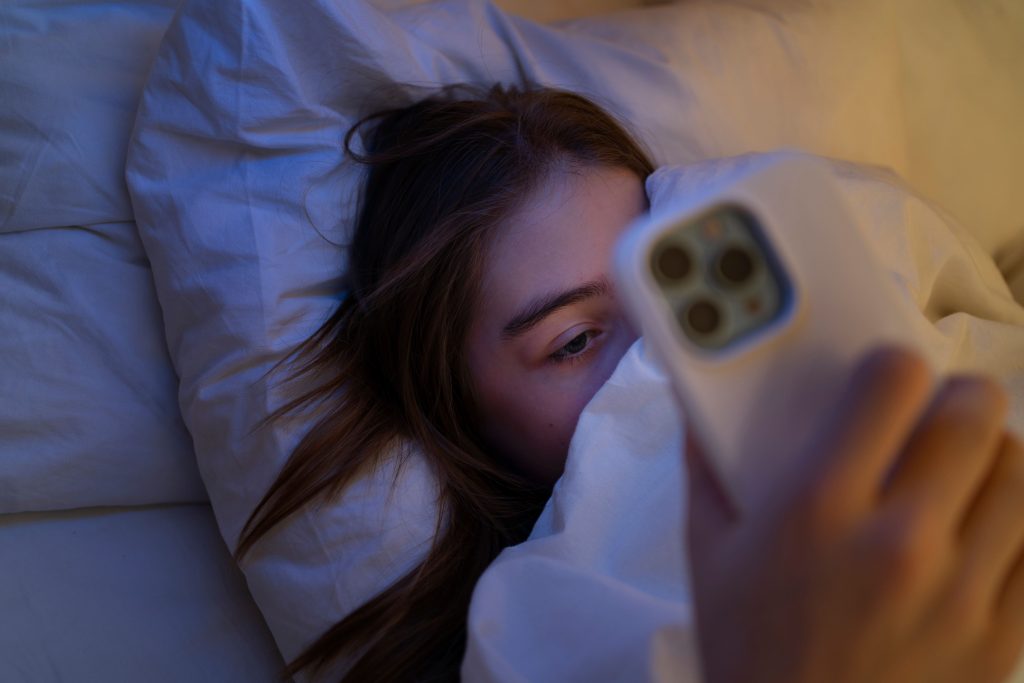
Screens are everywhere in today’s digital world. Many of us are spending hours and hours every day. Start our morning with an alarm and end our day with watching short videos. From smartphones and laptops to tablets and televisions. Nowadays, spending a lot of time in front of a screen is also affecting daily routines and overall mental health. Looking at a screen for many purposes like work, communication, entertainment or relaxation. Below is a simple guide explaining how screen time can affect both mental health and sleep. Understanding these steps is an important step towards a healthier living and a balanced life.
The Connection Between Screen Time and Mental Health
Spending long hours on screens can affect how we think, how we feel and deal with day-to-day life. Social media, news apps or constant notifications which keep our brains in a state of alertness. Over some time this can lead to stress, anxiety and difficulty in concentrating. Nowadays, one of the biggest issues in social media is comparison.
Social media often presents carefully edited versions of people’s lives. This can trigger feelings of other people or it can cause low self-esteem. And, exposure to negative news can increase the anxiety level and cause emotional fatigue. For different other people, too much screen time causes symptoms like depression, irritability or feeling mentally drained. Another part is attention. Rapid scrolling, short videos and app switching train the brain to expect the stimulation. In the future, it will make it harder for people to focus on tasks that require patience. Such as reading, studying or even holding conversations. Over time, it affects productivity and confidence and impacts overall mental well-being.
How Screen Time Affects Sleep Quality
Sleep is essential and important for both physical and mental health. One main reason is blue light. Which is released by phones, tablets and computer screens. Blue light reduces the production of melatonin, it is the hormone that helps to regulate our sleep-wake cycle. When we use screens late in the evening, our brains may think it is still daytime. Also, the late-night notifications disturb your sleep and leave you tired the next day. This can cause delay in sleeping, reduce sleep quality and shorten the sleep duration. The very next day, poor sleep can result in you feeling tired, foggy and emotionally sensitive.
Behind the light exposure also matters. The content that we watch before going to bed is important like shows, scrolling social media or replying to messages which keeps the mind active. Instead of winding down, the brain remains stimulated, making it harder to relax into restful sleep.
The Life Cycle is Between Sleep and Mental Health
Both mental health and sleep relationships are strongly connected to each other. At the same time, poor sleep can increase anxiety levels and stress levels. Mental health struggles can make it harder to quickly fall asleep. Thus, extreme screen time can fit right in the middle of this and quietly strengthen both problems.
Simple Ways to Reduce the Impact of Screen Time
The goal is not to take out screens completely, but to use them more purposefully.
Small changes in life can make a huge difference:
- Set screen-free time at least a minimum of one hour before bed.
- Enable night mode or blue light filters in the evening.
- Replace late-night scrolling habits with relaxing activities like reading or stretching.
- Take at least a little break from screens throughout the day.
- Be mindful of how some apps or content make you feel.
Finally, technology is always an effective tool, but balance is the key. When you become aware of how your screen time affects your mental health and sleep, you are making healthier choices in your life. Which supports you to rest better, improve focus and emotional wellbeing. And, reducing screen time doesn’t mean giving anything up, but it means discipline and making space for a better lifestyle including peaceful sleep or clearer thinking and a calmer mind in life.